How accurate is the Navy body fat method?
For most men it typically lands within about 3 to 4 percentage points of a lab scan, which is as good as most home scales and better than BMI. It's least reliable for very lean or very heavily muscled men with thick necks. The real value is the trend: measure the same way every few weeks and watch it move.
How do I measure my neck and waist?
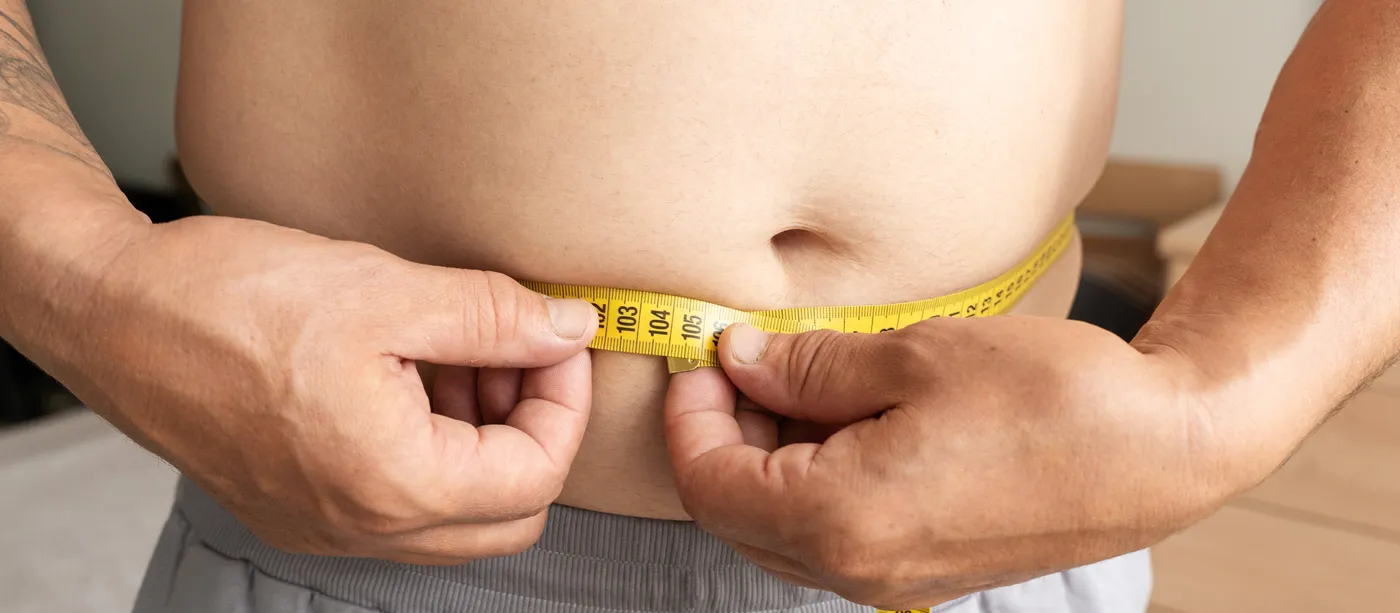
Use a soft tape, snug but not squashing the skin. Neck: just below your Adam’s apple, tape sloping slightly down at the front. Waist (men): level with your belly button, standing relaxed after breathing out, not sucking in. Women also measure the waist at its narrowest point and the hips at the widest part of the bum. Take each measurement twice and use the average.
What is a healthy body fat percentage for a man?
On the American Council on Exercise chart, 14 to 17% is the fitness range, 18 to 24% is average and 25% or more is obese. Visible abs usually show up somewhere around 10 to 12%. Men tend to carry a little more fat as they get older, so a few points above the fitness range in your 50s is still a solid result.
Why is my body fat different on my scales?
Bathroom scales use a weak electrical current, which swings with how much water you’re carrying, so readings can jump several points in a day. The tape method doesn’t change with hydration. Pick one method and stick to it for tracking.
What is FFMI?
Fat-free mass index: your lean mass relative to your height, adjusted to a 1.80 m reference so tall and short men compare fairly. It shows how much muscle you carry. Most untrained men sit under 19, and drug-free lifters usually top out in the low-to-mid 20s.
How do I lower my body fat?
Eat a little less than you burn, keep your protein high and keep lifting so the weight you lose is fat, not muscle. Our calorie and protein calculators give you both numbers. Expect it to take months, not weeks.