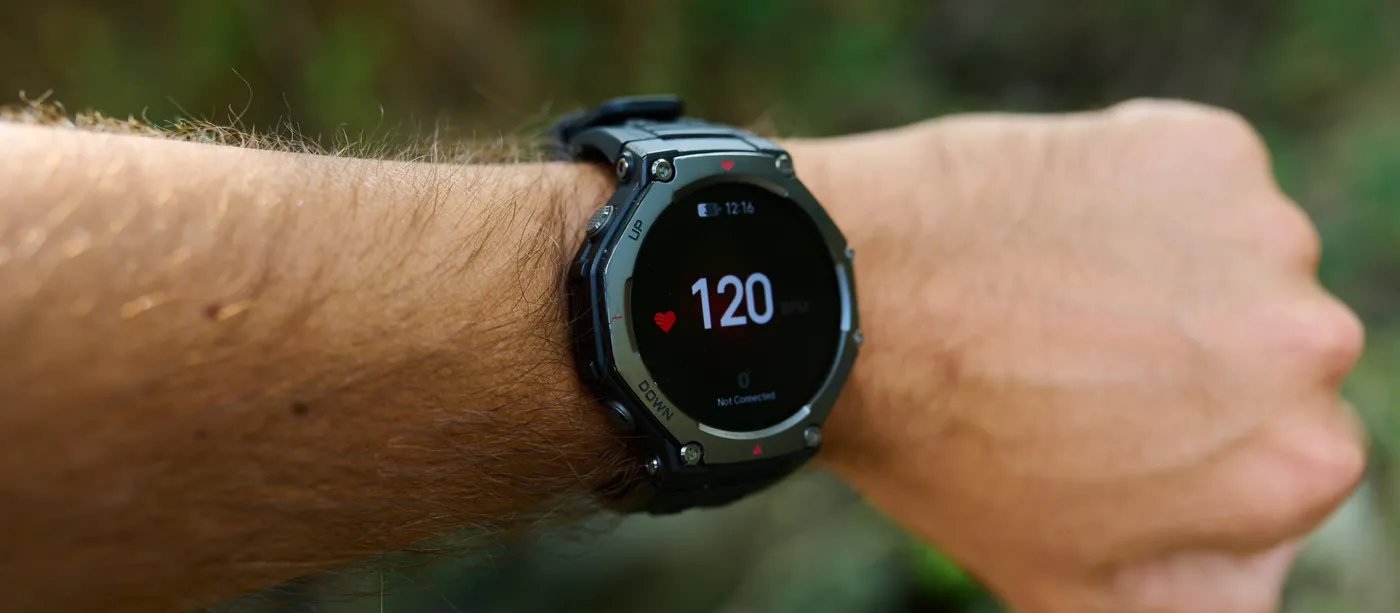
What are heart rate zones?
Bands of effort based on your heart rate, from zone 1 (very easy) to zone 5 (flat out). Training in a set zone makes sure easy days are actually easy and hard days are hard enough, which is how you get fitter without burning out.
What is zone 2 training?
Easy, steady exercise at about 60 to 70% of your max heart rate: you can still hold a conversation. It builds your aerobic base, the engine behind everything else, and it’s easy to recover from. Many endurance coaches have their athletes do most of their training this easy, with a small amount of hard work on top.
How do I find my max heart rate?
The calculator estimates it from your age. The only way to know for sure is a hard, all-out test, such as the last minutes of a beep test or hill repeats, wearing a chest strap. Only do that if you’re already fit and have no heart problems; if you’re unsure, check with your GP first.
Which max heart rate formula should I use?
Tanaka (208 − 0.7 × age) is our default: it comes from a review of more than 18,000 people and fits older adults better than 220 − age. Nes (211 − 0.64 × age) comes from the Norwegian researchers behind the 4×4 workout and gives a higher max, so pick it if you’re following their sessions. Any formula can be 10 or more beats off for you; a measured max beats all of them.
What’s a good resting heart rate?
For most adults it sits between 60 and 100 beats a minute. Fit people are often in the 50s or lower. Measure it lying down when you first wake up, a few mornings in a row, and use the average.
Why does my watch show different zones?
Watches use their own formulas and often their own estimate of your max, and wrist sensors can lag or misread during intervals. If your watch lets you, enter the max and resting heart rate from here so your zones match.